
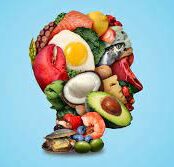
Nutrition combined with a proper training routine and progressive lifestyle changes are the cornerstones of overall health and fitness. Similar to the role of quality fuel in an optimally performing car engine, the food we consume plays a pivotal role in determining the quality of our performance and, ultimately, our longevity. Our bodies rely on proper nutrition to function at their best. Whether you’re an athlete or simply striving for a better quality of life, understanding the essentials of nutrition provides crucial insights into the key principles that can help you optimize your fitness and health for long term success.
Macronutrients are the building blocks of nutrition
Macronutrients serve as the fundamental building blocks of an optimal diet, they provide the essential materials required for a wide array of bodily functions. They are made up of proteins, fats and carbohydrates.
- Proteins are essential for muscle growth, repairing of tissues, and overall body maintenance. They can be sourced from various options, such as poultry, fish, meats, eggs, legumes, and plant-based alternatives. While these sources vary in nutritional content, the primary objective is to attain sufficient protein intake to support recovery and muscle development. Bioavailability, which essentially measures the actual benefit derived from each source, should also be considered. Particularly for those who engage in regular physical activity and relative to each individual’s goals, the amount of protein will be individualized.
- Healthy fats play a critical role in the production of hormones, integrity of cell membranes, and the absorption of nutrients. Just like with proteins, selecting for quality sources such as avocados, olive and coconut oil, real butter, and fatty fish such as salmon will allow for the incorporation of a variety of fats to support overall health.
- While carbohydrates indeed serve as a significant energy source, it’s essential to clarify that the body’s primary energy store is actually glycogen. Complex carbohydrates found in fruits and some vegetables can provide benefit to the body as a source of sustained energy and essential nutrients. In our modern age, it becomes increasingly crucial to prioritize whole food sources over refined sugars and ultra processed foods for more stable blood sugar levels and improved performance. Each individual will need to gauge their level of sensitivity to a variety of sources to be sure of the proper insulin response. Ideally carbs are used as a tool relative to an individual’s activity levels and overall goals.
Micronutrients (vitamins and minerals), in addition to macronutrients, are essential for the various biochemical processes that keep our bodies functioning optimally. It is important to note the bioavailability of micronutrients and the most effective means of consumption. Whole foods naturally contain micronutrients in synergistic combinations that enhance the absorption of these essential nutrients. This underscores a potential limitation of supplement consumption when not administered in precise combinations and dosages. For instance, combining Vitamin D with K2 can significantly boost absorption compared to taking Vitamin D in isolation.
- Vitamins are organic compounds that support a wide range of functions of the body. Ensuring a well-rounded intake of vitamins in your diet is key to promoting optimal bodily function. Each vitamin serves various purposes such as strengthening of the immune system, aiding in bone health and playing a role in metabolism.
- Minerals are inorganic elements essential for a variety of bodily functions, including supporting bone health, sustaining organ and nerve function, and facilitating oxygen transport. The inclusion of a wide range of whole foods will help to ensure that you are meeting your body’s needs.
Hydration, while overlooked, is the lifeline of wellness and incredibly important for optimal health and performance. Given that our bodies are composed of over 70% water, it is crucial for facilitating essential functions such as nutrient absorption, waste elimination, temperature regulation, and efficient digestion. Drink water consistently throughout your day and consider the environment you are based in and the activity level of the day.
Pre and Post workout nutrition
Depending on an individual’s chosen activity and goals, making sure that your body is proper around your training sessions and activities is vital to increased performance and recovery.
- Pre-Workout is consumed before exercise and may provide the energy necessary to facilitate consistent energy levels through your workout. This approach is highly individualized, hinging on the type of activity, your current fitness level, and your goals. Typically, it involves the consumption of carbohydrates or a combination of carbs and protein, ideally consumed within a window ranging from 30 minutes to 2 hours before training.
- Post-Workout is the consumption of nutrients after training. As your body becomes depleted, we will want to replenish glycogen stores and repair muscle tissue to allow for greater recovery and proper adaptations. This can be done in a variety of ways, such as a mix of carbs to refuel and protein to support recovery, and also the addition of healthy fats for overall nutrient intake. It is important to note that the consumption of many foods that combine carbs and fats tend to be highly palatable and can make it difficult for some to control portion size.
Eating Mindfully and Controlling Portions
In our modern times,where speed and convenience often take precedence, mindful eating tends to be relegated to the backseat. Just by simply refocusing our attention on what and how much we consume, we can gradually reshape our habits and behaviors, aligning them with our aspirations for a sustainable and healthy life. Maintaining a healthy relationship with food in combination with an increase in activity levels, paves the way for a promising journey toward improved well-being.
Slow down and enjoy your food. Learn to pay attention to the cues your body gives you and stop when you are satisfied (i.e. not feeling hungry) as opposed to eating until you are full or “stuffed.” This practice can be helped through the proper hydration of the body, and will encourage better digestion as well as preventing overeating.
With regards to food, we can control our portions through the consumption of whole foods. It will better ensure that you are consuming the appropriate amount of calories for your individual demands.
Nutrition is not one size fits all. Each individual’s unique dietary needs are influenced by a multitude of factors, including activity level, gender, age, and health status. Establishing a solid foundation can often involve viewing the process as a form of an elimination diet, which can help restore the body back to a relatively normal state to then build on going forward. Consulting with a registered dietitian or nutrition professional can assist in providing the proper guidance that matches your individual needs and goals. Nutrition is an important tool that can impact your fitness and overall well-being significantly.
To build a strong foundation for optimal health and performance, it is important to find a way to build better habits and behaviors that promote sustainability in your daily choices. It’s not just about incorporating healthy habits, but also working to minimize and even eliminate unhealthy ones that may be undermining your well-being. The key to building successful habits lies in adopting a balanced and sustainable approach, characterized by gradual, incremental steps that increase your awareness of your choices, and ultimately set you up for success. By taking a more active role in your day to day choices, you can create long lasting positive changes that will make you feel better in every aspect of your life.
